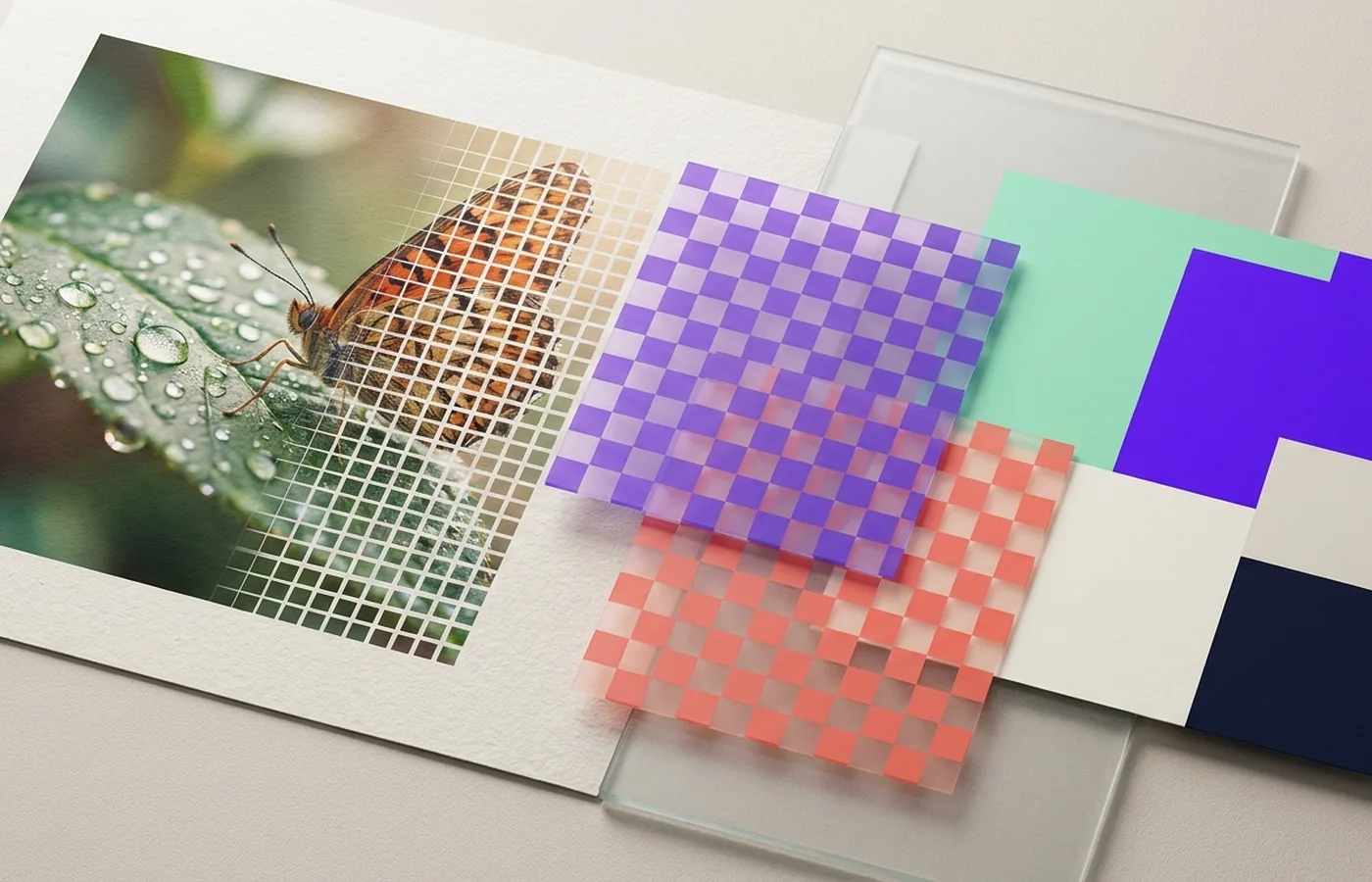
Pixel dimensions determine digital detail; print density determines how tightly those pixels are placed on paper. For this images & graphics question, the useful answer depends on evidence from the source, the properties named below, and the requirements of the final destination.
Judge an image by content type, target dimensions, transparency, color space, and whether future editing matters. Before anything else in “Resolution, PPI, and DPI without the myths,” weigh this observation: A 3000×2000 image contains six million pixels regardless of its metadata PPI value.
Three findings that guide this choice
The core distinction
A 3000×2000 image contains six million pixels regardless of its metadata PPI value.
The practical trade-off
Changing only the PPI tag does not invent detail.
The verification test
Print size equals pixel dimensions divided by pixels per inch.
A practical decision for this workflow
Start with final physical dimensions and the printer's requested density, then calculate required pixels.
Use print size equals pixel dimensions divided by pixels per inch. as the acceptance test on a representative source before committing an entire archive, publication, or delivery batch.
The images & graphics mistake to avoid here
Upscaling a tiny image and expecting the new pixels to restore original camera detail.
That failure conflicts directly with the recommendation for “Resolution, PPI, and DPI without the myths”: Start with final physical dimensions and the printer's requested density, then calculate required pixels.
Review checklist before delivery
- ✓Pixel dimensions meet the destination requirement.
- ✓Transparency and edge pixels render correctly.
- ✓The intended ICC color profile is embedded or converted deliberately.
- ✓Text, gradients, and fine texture survive at normal viewing size.
For “Resolution, PPI, and DPI without the myths,” success means the chosen result passes these topic-specific checks - Not merely that a new file opens.