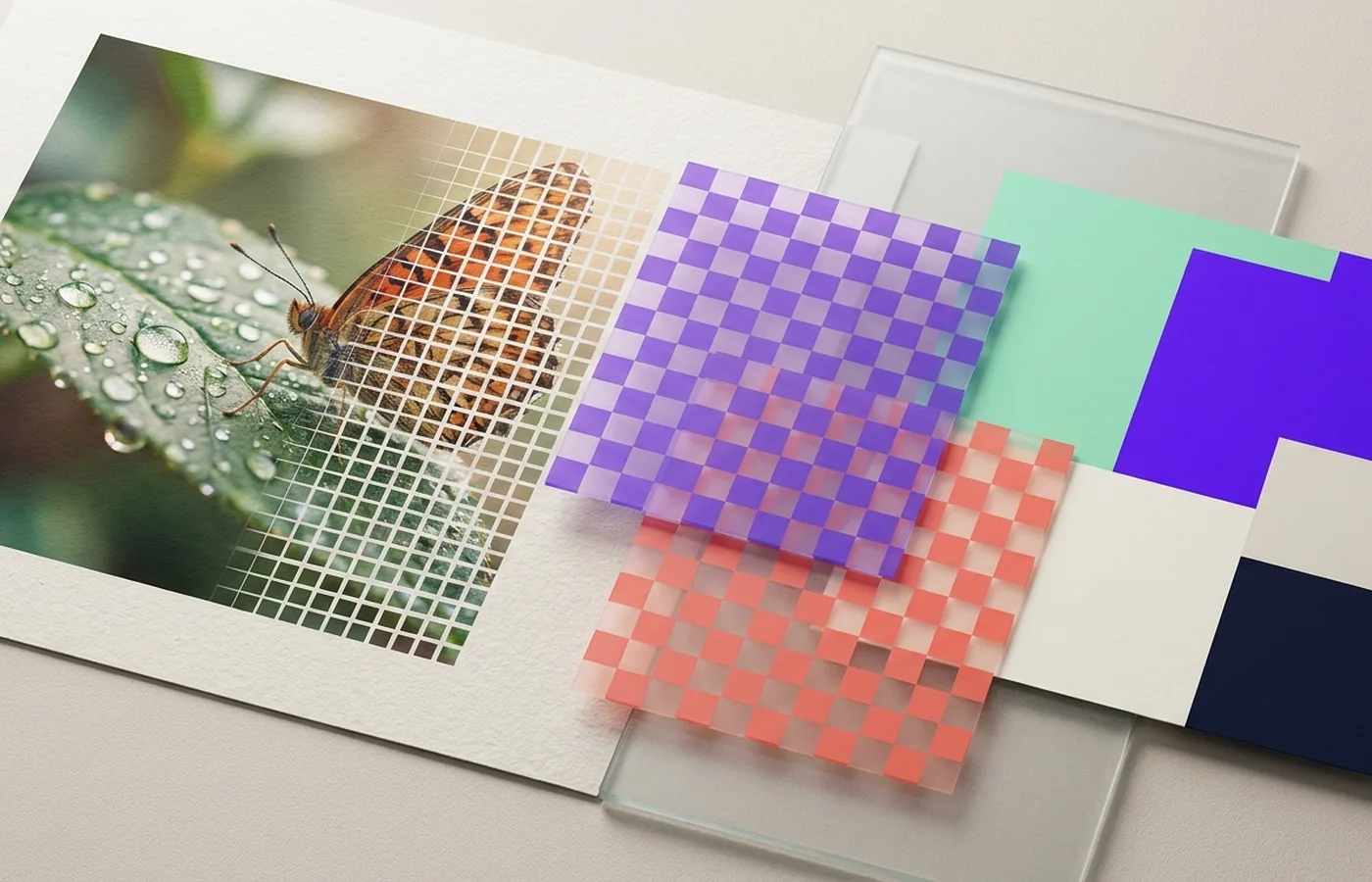
A quality slider is not a percentage of retained information and is not standardized across encoders. Answering this compression & quality question well means looking at evidence from the source file, the properties covered below, and what the final destination actually requires.
Compression decisions should compare perceptual quality, structural fidelity, decode support, and transfer cost - Not size alone. Before anything else in “How to choose an image quality setting,” weigh this observation: Inspect edges, gradients, skin texture, and fine repeating patterns.
Three findings that guide this choice
The core distinction
Inspect edges, gradients, skin texture, and fine repeating patterns.
The practical trade-off
Chroma subsampling can blur colored text before luminance detail fails.
The verification test
Visual review at actual display size is more useful than zooming to 800 percent.
A practical decision for this workflow
Create two or three candidate exports and choose the smallest that passes the intended viewing test.
Use visual review at actual display size is more useful than zooming to 800 percent. as the acceptance test on a representative source before committing an entire archive, publication, or delivery batch.
The compression & quality mistake to avoid here
Assuming quality 80 means the same file size or appearance in every application.
That failure conflicts directly with the recommendation for “How to choose an image quality setting”: Create two or three candidate exports and choose the smallest that passes the intended viewing test.
Review checklist before delivery
- ✓The result meets the actual transfer or storage budget.
- ✓Artifacts are checked in the hardest visual or audible passage.
- ✓Dimensions, duration, and structure were not reduced accidentally.
- ✓The uncompressed or highest-quality master remains available.
For “How to choose an image quality setting,” success means the chosen result passes these topic-specific checks - Not merely that a new file opens.